
How Can You Tell If a Medicine Is Genuine or Fake?
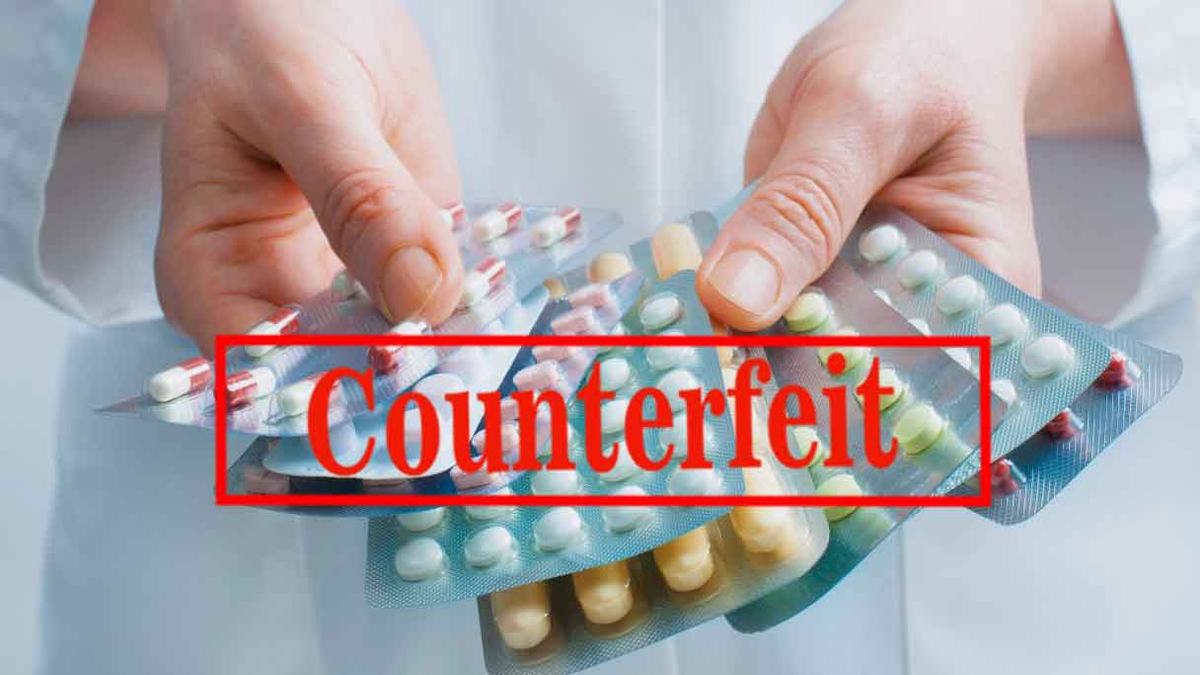
How Can You Tell If a Medicine Is Genuine or Fake?
Would you know if the medicine in your hand was fake? 💊
A medicine can have a professional-looking box, a familiar brand name and normal looking tablets and still be difficult to verify.
Some falsified medicines are made to look very similar to genuine products. That is why there is no single visual trick that can tell you whether every medicine is genuine.
But there are warning signs you should never ignore.
First, What Is a “Fake” Medicine?
People often use the word fake for every medicine that looks suspicious. In reality, there are different problems.
- Falsified medicine: Deliberately misrepresents its identity, composition or source.
- Substandard medicine: An authorized medicine that does not meet the required quality standards.
- Unregistered medicine: A product that has not been appropriately approved or registered for the market.
The risks can be serious because the medicine may contain the wrong ingredient, too much, too little or no active ingredient at all.
1. Check the Batch Number
The batch number helps identify a particular production batch.
Pay attention if:
- The batch number looks scratched, altered or overwritten
- The number on the box doesn't match the blister or bottle
- The printing looks unusual compared with the rest of the packaging
- Manufacturing or expiry details appear changed
A mismatch doesn't automatically prove a medicine is fake but it is a reason to stop and verify.
2. Is the MRP or Batch Information Blacked Out?
This is something many people notice but don't know what to do about.
If important information such as the MRP, batch number or other product details appears deliberately covered, scratched or altered, don't simply ignore it.
However, there is an important distinction:
A blacked out MRP alone does NOT prove that a medicine is counterfeit.
There can be legitimate reasons for labels, stickers or price changes under applicable rules.
The concern is when important identification details are unclear, altered or inconsistent.
If you cannot clearly establish what the product is, where it came from and which batch it belongs to, verify it before using it.
3. Look at the Box and Seal
Before accepting a medicine, take a few seconds to look at the packaging.
Watch for:
- An already-opened box
- A broken security seal, where one is provided
- Signs that the box has been re-sealed
- Damaged or leaking blisters
- Labels that appear pasted over
- Printing that looks unusually poor or different
A box being opened does not automatically mean the medicine is fake. There can be legitimate reasons for packaging to be handled during the supply process.
But unexplained tampering is a red flag.
4. What If You Don't Get an Invoice?
An invoice is more important than many patients realize.
It gives you a record of:
- Who sold the medicine
- What product was purchased
- When it was purchased
- How much was paid
Be cautious if a seller:
- Refuses to provide an invoice
- Cannot clearly identify the seller
- Cannot explain where the medicine came from
- Provides incomplete or suspicious documentation
Again, no invoice alone does not prove that a medicine is fake.
But when an unclear source is combined with other warning signs, you should take the situation seriously.
5. Does the Medicine Look or Smell Different?
Pay attention to the medicine itself.
Look for:
- Unusual colour
- Different shape or markings
- Crumbling or damaged tablets
- Discolouration
- Unusual smell
- Damaged, leaking or broken packaging
These can be warning signs.
But remember:
Appearance alone cannot reliably prove that a medicine is genuine or fake.
What About QR Codes and Barcodes?
Some medicines have specific barcode or QR-code requirements and authentication systems.
Where an applicable authentication system is provided, the information can help with identifying the product and its batch or manufacturing details.
But don't make this mistake:
“It has a QR code, so it must be genuine.”
Not necessarily.
A code is only one part of verification. The product, packaging, batch information and source should also make sense.
So, How Should You Check a Medicine?
Think of it as putting several pieces together:
Product + Packaging + Batch Details + Source + Invoice + Storage
Look at the whole picture, rather than searching for one magical sign of a fake medicine.
If Something Looks Suspicious:
- Don't ignore it.
- Keep the medicine and its packaging.
- Keep the invoice or purchase record.
- Speak with your pharmacist or doctor.
- If necessary, contact the appropriate medicine regulatory authority.
- If you have already taken the medicine and experience an unexpected reaction, seek medical attention.
One Important Thing to Remember
A cheap medicine is not automatically fake.
A damaged box is not automatically counterfeit.
A blacked-out MRP is not automatically proof of a fake medicine.
And a medicine that looks perfect is not automatically guaranteed to be genuine.
The safest approach is to consider the source, packaging, product details, documentation and traceability together.
The Macarius Health Perspective
Medicine safety doesn't end when a product leaves the manufacturer.
It continues through storage, transportation, handling, distribution and finally delivery to the patient.
At Macarius Health, we believe patients should not only have access to medicines—they should also understand what they are receiving and what to look for.
Our Knowledge Hub is being created to explain practical pharmaceutical questions in simple language.
Because when it comes to medicines, knowing what to check can make a difference. 💊
Important Note
This article is for general educational purposes only. It does not replace advice from a doctor, pharmacist or medicine regulatory authority.
If you suspect that a medicine has been falsified, tampered with or improperly stored, seek professional guidance before using it.