
🌡️ Is Your Medicine Getting Too Hot? The Right Way to Store Medicines at Home 💊
🌡️ Is Your Medicine Getting Too Hot? The Right Way to Store Medicines at Home 💊
You bought the medicine, brought it home and put it somewhere safe. But is it actually being stored correctly?
For many medicines, storage isn't just a recommendation. Temperature, light and moisture can affect a medicine's stability, potency and quality. This becomes especially important with specialty medicines and biologics.
❄️ Does Every Medicine Need a Refrigerator?
No.
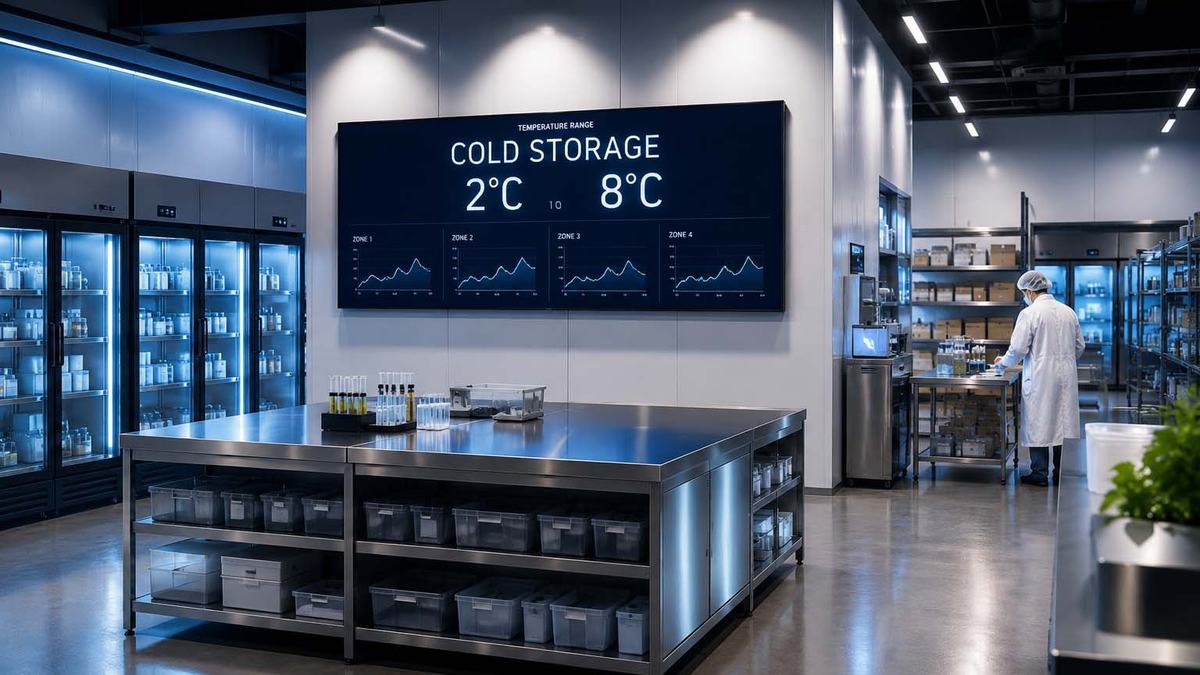
Some medicines can be stored at room temperature, while others may need refrigeration, commonly 2–8°C. The correct storage condition depends on the specific product, so always follow the instructions on the medicine label or packaging.
And remember: refrigerated does not mean frozen.
If a medicine says it should be refrigerated, placing it in the freezer can be just as problematic as exposing it to excessive heat.
🌡️ What Happens If the Temperature Is Wrong?
This is the part many patients don't think about.
A medicine exposed to excessive heat, freezing or other conditions outside its specified range may lose stability or potency.
For some biological medicines, temperature stress can affect their stability and potentially reduce their intended effectiveness. Biological products can be particularly sensitive to environmental conditions such as heat and temperature fluctuations.
The problem is that you may not be able to see the damage.
The medicine can still look completely normal.
That doesn't necessarily mean it is still within its required quality specifications.
☀️ What About India's Heat?
India's summer temperatures can make home storage particularly important.
Avoid keeping medicines:
- In direct sunlight
- Near windows
- Inside a parked car
- Near gas stoves or other heat sources
- In places that become extremely hot during the day
Room temperature doesn't mean any temperature. If the label specifies a particular storage range, that range matters.
💧 Don't Forget Moisture
Humidity can also affect certain medicines.
The bathroom may seem like a convenient place to keep medicines, but frequent exposure to moisture and humidity can be unsuitable for some products.
Whenever possible, keep medicines in their original packaging and follow any instructions such as “protect from moisture” or “protect from light.”
🧬 Why Is This Even More Important for Specialty Medicines?
Many specialty medicines, particularly biological medicines, have specific storage requirements because of their complex nature.
For these medicines, proper storage is part of maintaining their quality from the manufacturer and distributor all the way to the patient.
The journey doesn't end when the medicine reaches your home.
⚠️ What If Your Refrigerator Stops Working?
Don't automatically assume the medicine is spoiled but don't assume it's safe either.
If a temperature-sensitive medicine has been exposed to an unexpected temperature, note how long it may have been exposed and, if possible, the temperature reached.
Then contact your pharmacist, dispensing pharmacy or healthcare professional for product-specific advice.
Whether a medicine remains usable can depend on the medicine, temperature and duration of exposure.
✅ Simple Home-Storage Checklist
Before storing your medicine, check:
- 🌡️ Required temperature
- ❄️ Whether refrigeration is necessary
- 🚫 Whether freezing must be avoided
- ☀️ Whether it needs protection from light
- 💧 Whether it needs protection from moisture
- 🔥 Whether it should be kept away from heat
- 📦 Whether it should remain in its original packaging
The Bottom Line
Proper storage is part of medicine safety.
A medicine can look completely normal while its quality or potency has been affected by inappropriate storage.
Always follow the product's specific storage instructions and if you're unsure about how a medicine should be stored, ask your pharmacist or healthcare professional rather than guessing.
Macarius Health Perspective
At Macarius Health, we believe the quality of a medicine doesn't matter only when it leaves the manufacturer. Proper handling, storage and supply are part of the medicine's journey all the way to the patient.
Important Note
This article is for general educational purposes and does not replace the storage instructions provided with a specific medicine. Always follow the product label or package insert and consult a pharmacist or healthcare professional if you are unsure about storage conditions or temperature exposure.